
Security·14 Aug 2026·Black Sea
Azov traffic fell after 10 July. The sinking tally is not established.
In early July more than a hundred ships sat near Kerch. By 19 July satellite colour showed about a dozen. On 10 July Russia stopped applications to use the Don-Azov channel and the Kerch strait. The picture we can stand behind is the traffic, and the Russian restriction. Not damage, and not sinkings.
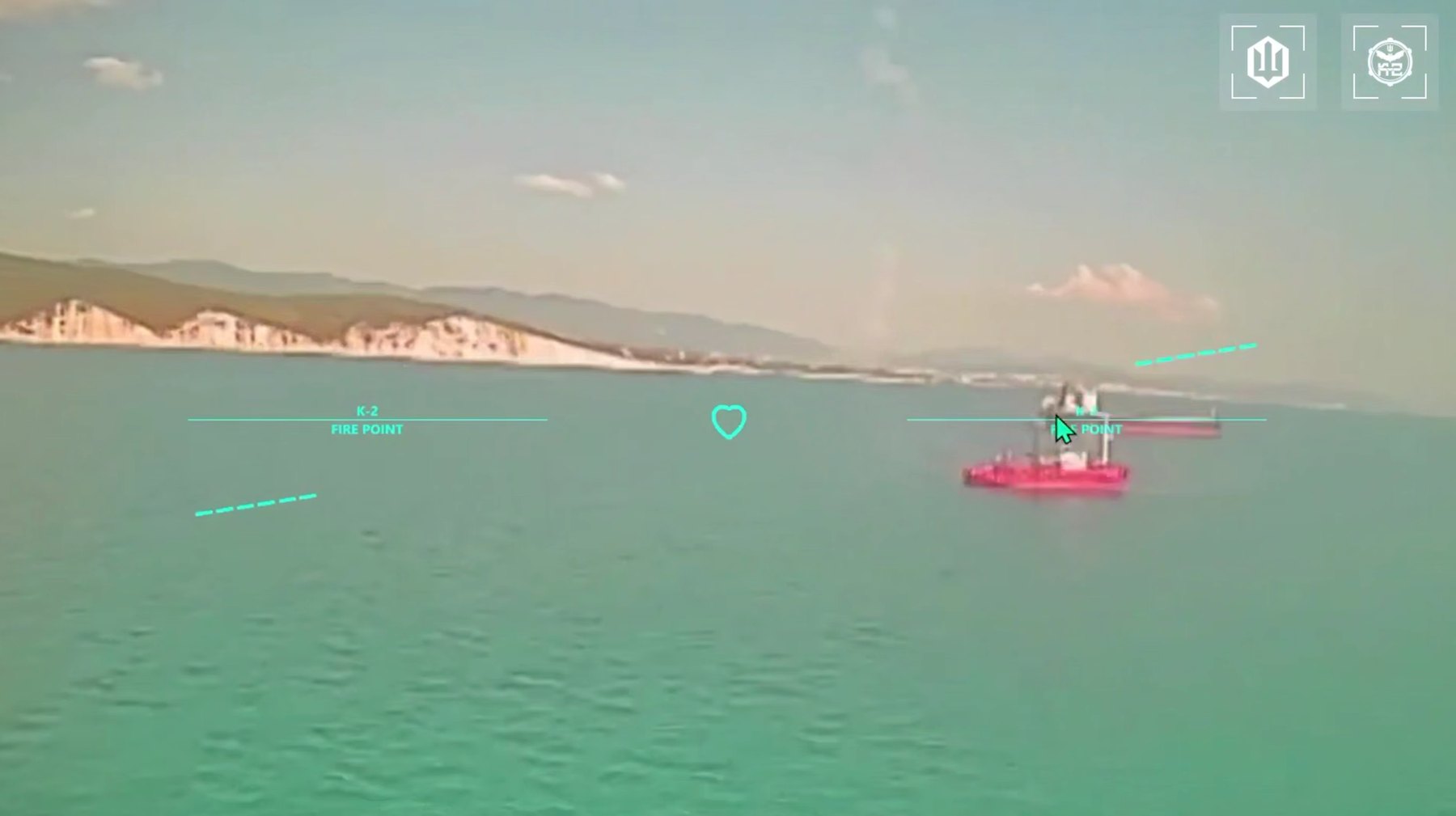
In early July more than a hundred ships sat near Kerch. By 19 July satellite colour showed about a dozen. On 10 July Russia stopped applications to use the Don-Azov channel and the Kerch strait.
Ukraine’s Unmanned Systems Forces say a campaign that began on 6 July produced that drop. They claim 218 watercraft hit. Those figures are an official Ukrainian claim. They are not a confirmed hull count, and they are not a sinking tally.
The picture we can stand behind is the traffic, and the Russian restriction. Not damage, and not sinkings.
What happened
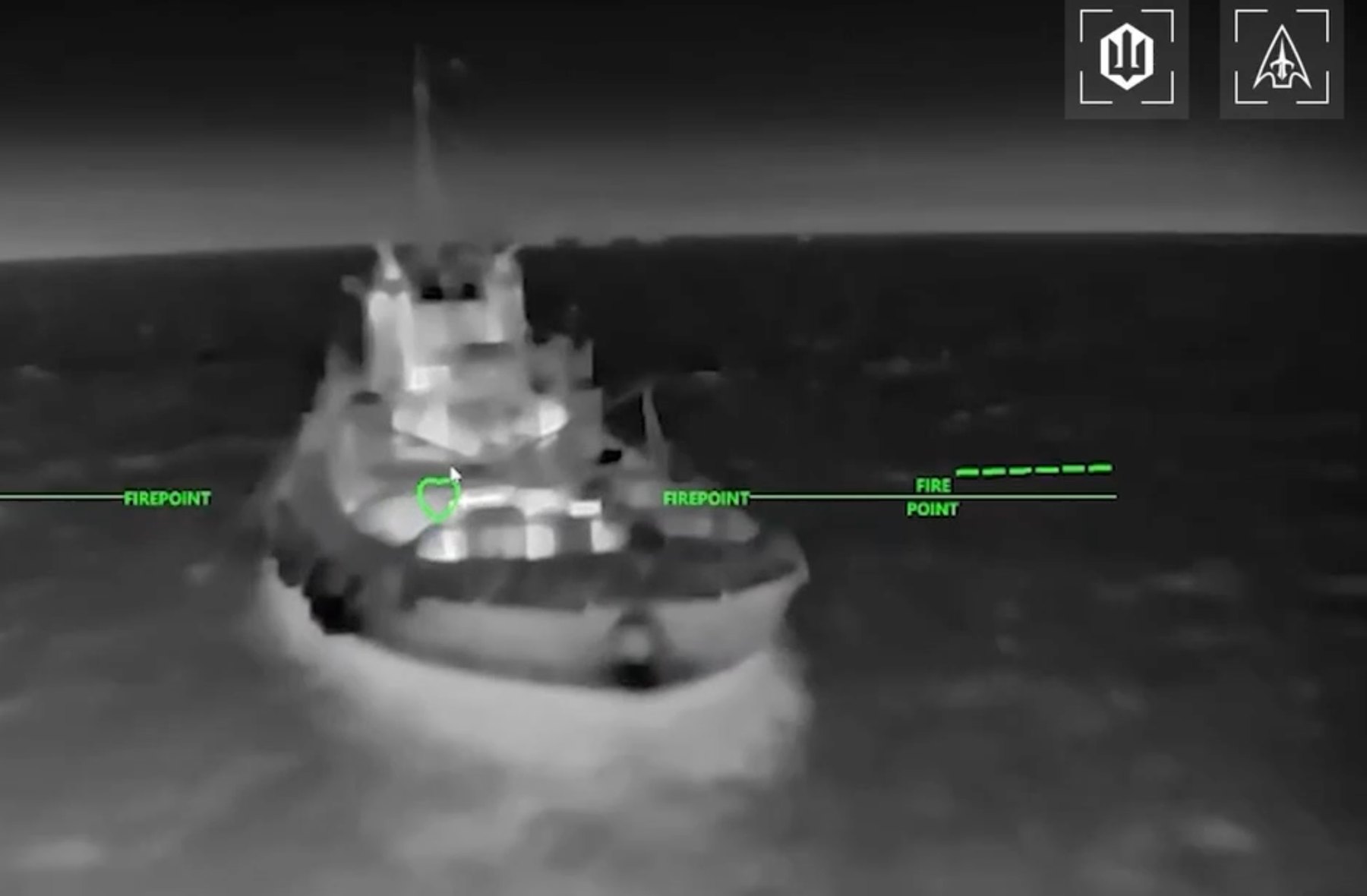
Operation MoLoChKa is dated from 6 July. The stated aim is to isolate Crimea and cut fuel, logistics and export income.
Open satellite — ESA SAR, as reported by Defense Express — showed more than 150 ships near Kerch at the start of the month, and still more than a hundred on 7 July. A count of 134 ships in Azov on 6 July comes from Oko Gora, cited by Brovdi. That is not an independent figure.
On 10 July, Reuters reported that Russia halted Don-Azov shipping and stopped Kerch passage applications from 15:10 UTC, after reported attacks. There was no formal Russian public notice. Later July grain copy still treated the strait as restricted. SBS calls Kerch “indefinitely blocked.” That is their wording. The third-party picture is a Russian-imposed restriction, not a verified Ukrainian naval blockade.
By 19 July the same satellite series showed about a dozen ships left at Kerch, and about 30 off Novorossiysk.
The IMO condemned attacks on civilian merchant ships in the Azov and Black Sea on 13 July. It named no perpetrator and gave no hull count.
SBS has also claimed later unnamed Black Sea hits on 9 and 11 August, and activity at Novorossiysk base and port on 12 August. Those remain single-source claims.
What the traffic shows
Open satellite put more than a hundred ships near Kerch on 7 July. By 19 July the same series showed about a dozen there, and about 30 off Novorossiysk. On 10 July Russia stopped Don-Azov and Kerch applications. That is the before/after we can stand behind. It is a volume picture, not a count of ships hit, damaged or sunk.
Oko Gora, cited by Brovdi and not independent, put 134 ships in Azov on 6 July and 14 on 6 August. A local association said Azov-Don cargo in July was down 56 percent year on year, most of the month after the 10 July stop. There is no public AIS count for 14 August.
What happened next
A Black Sea broker in week 32 still called Azov closed and Kerch suspended.
Novorossiysk kept working through mid-July. Separate tanker incidents at the CPC terminal there are confirmed. The attacker is not named. They are not proven as MoLoChKa hulls.
On 12 August, owners and Reuters reported NZT and NKHP halted after overnight strikes, with KSK the next day. That is a grain-terminal halt. It is not the same as the SBS claim of a hit on the base that day. There is no UKMTO product on this file.
The ships
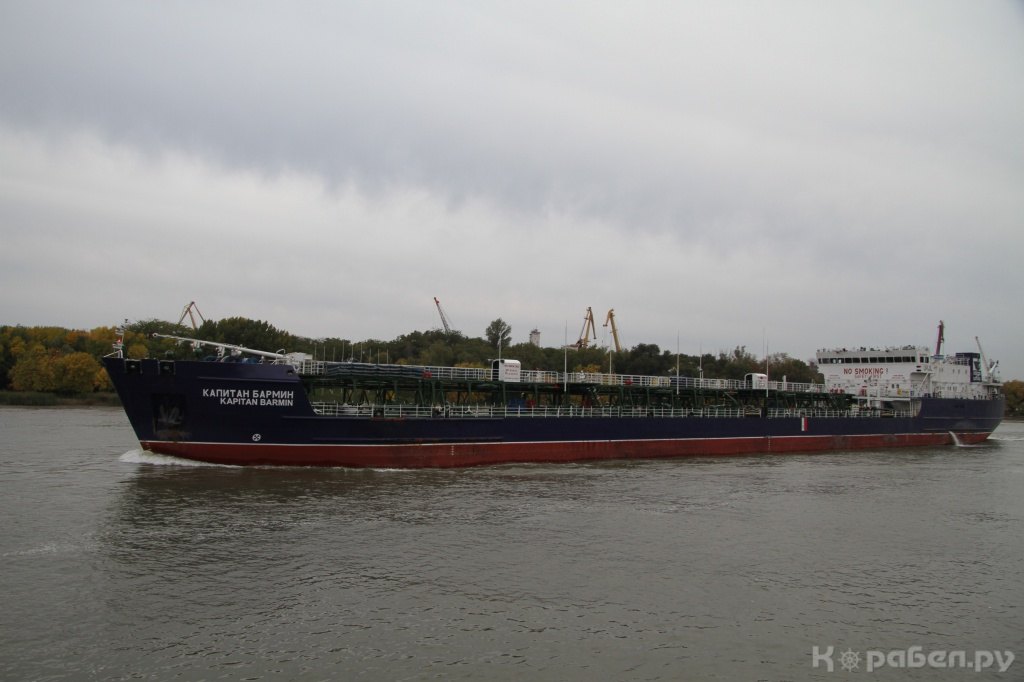
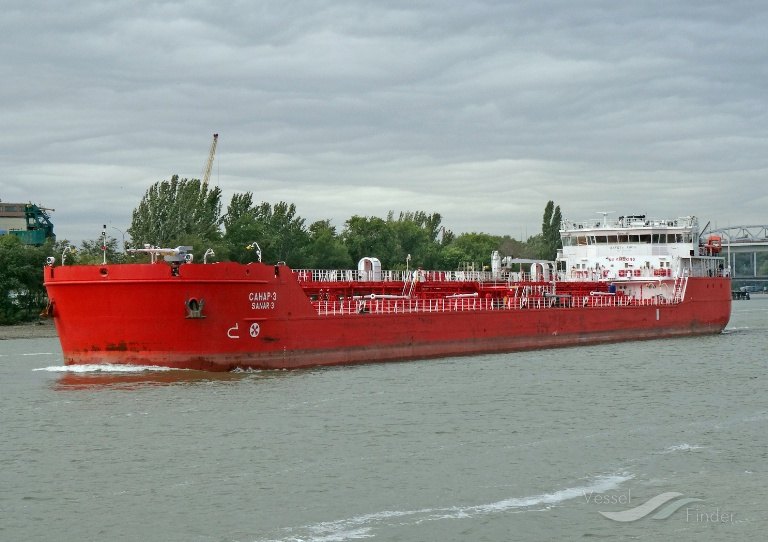
Two hulls were named early in press from Madyar: Kapitan Barmin, a Russian products tanker built in 2002, and Sanar-3, a Russian chemical/oil tanker built in 2010. Both last showed AIS in the Sea of Azov. Those tracks are stale, and Sanar-3 was already dark before 6 July. Dark AIS is not sunk. The rest of the MoLoChKa list is unnamed.
What we are watching
- A later public count for Azov and Kerch
- Whether Kerch applications stay stopped
- A named casualty list that can be checked
- Whether CPC or Novorossiysk grain events are tied, by an official source, to the SBS campaign
Contact: desk@seavanta.com — tips, corrections, I was there.